
ENVIRONMENTAL MISSION
Eco-conscious clothing with purpose?
At Hero Basics, we believe that true heroism extends to the choices we make for our planet. Recycled polyester (rPET) represents one of those everyday choices that makes a meaningful difference in our world.
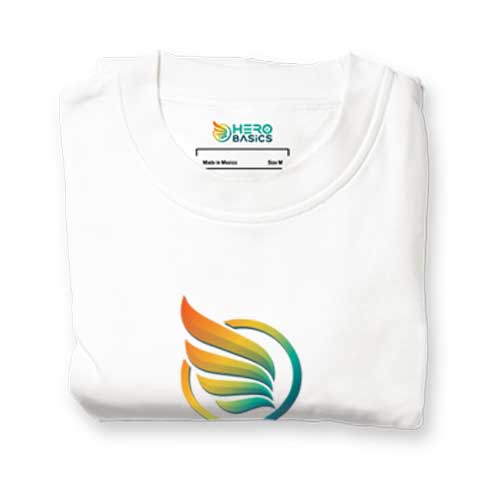
Planet-friendly style, Hero worthy quality
Together, we can prove that looking good and doing good go hand in hand.
As part of our dedication to common-unity and responsibility, we’re proud to offer our Eco-Conscious certified rPET options in our product line. This choice reflects our belief that heroism begins with everyday actions – including how we dress.
Join us in this journey toward a more sustainable future, one recycled thread at a time.


What is recycled polyester?
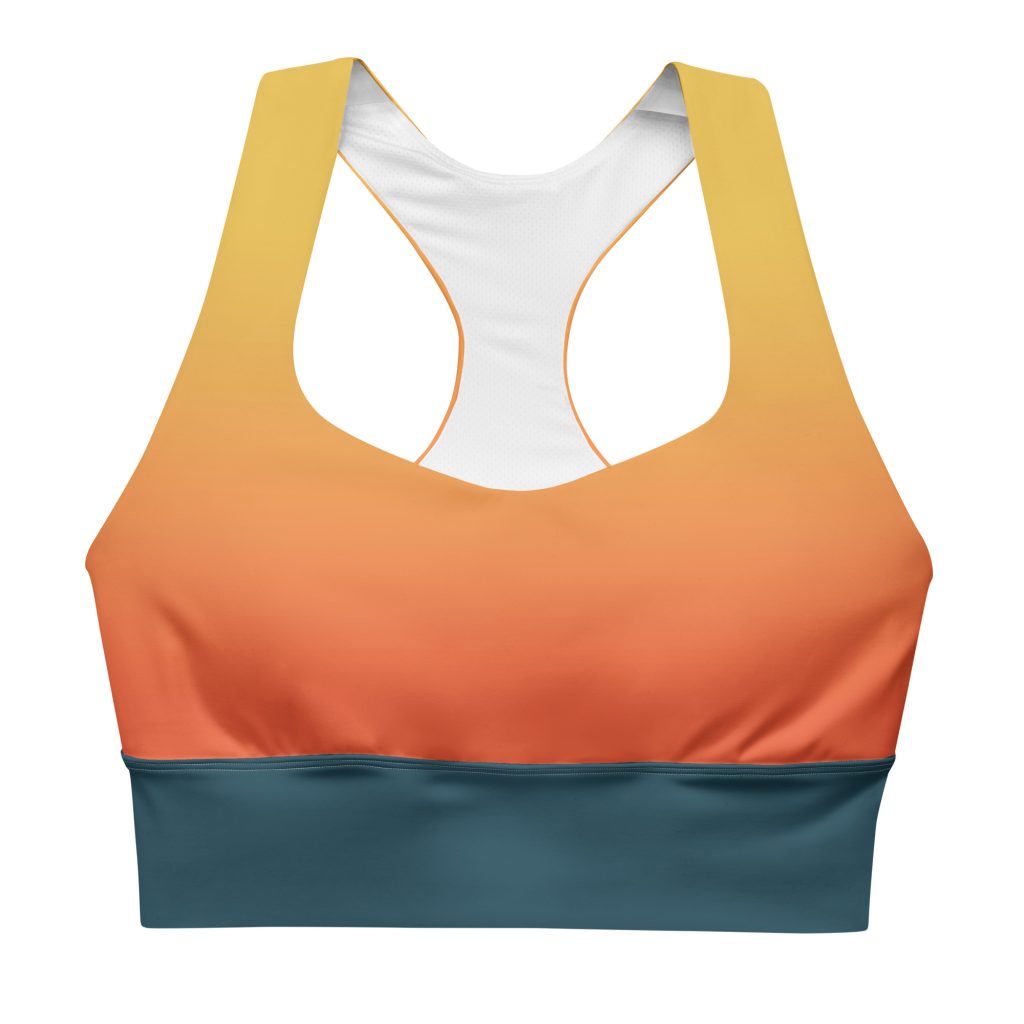
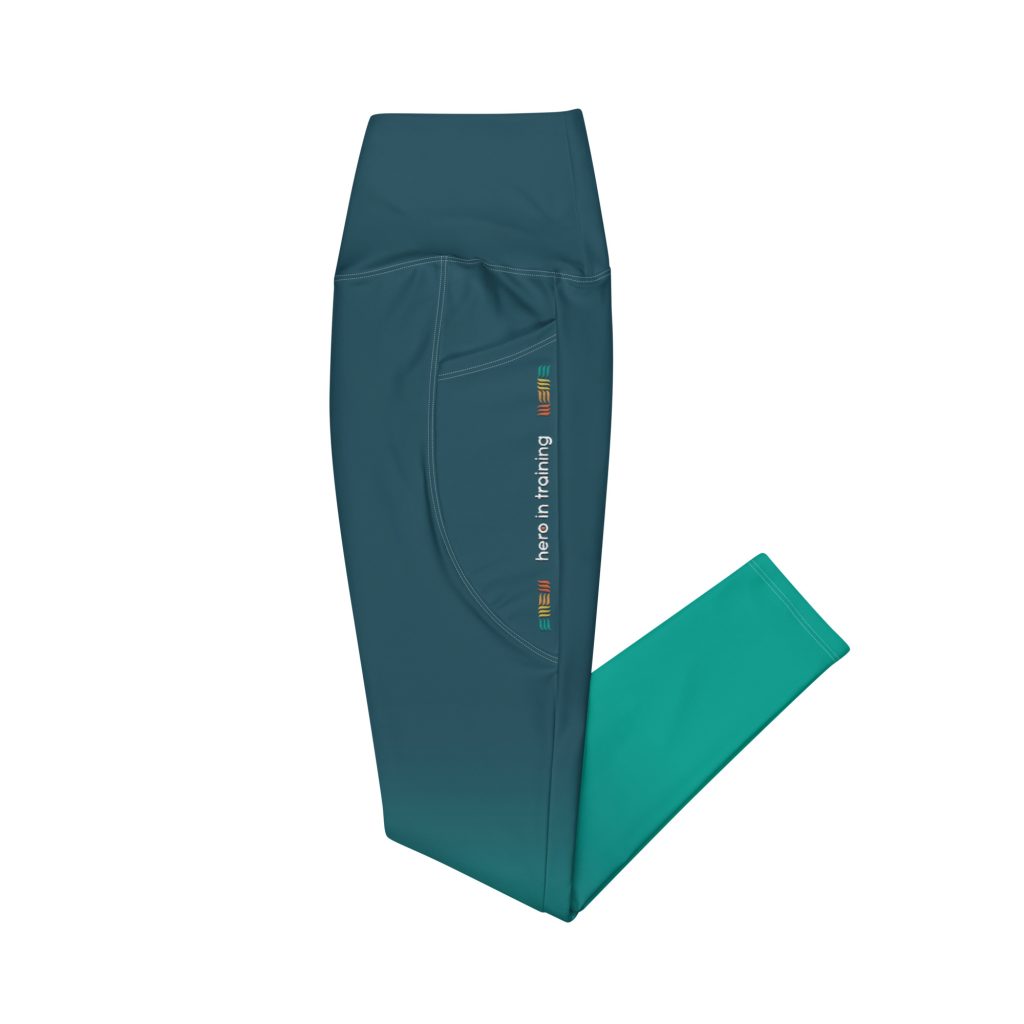
Recycled polyester or rPET is an innovative fabric created from repurposed plastic materials like water bottles, packaging, and other plastic waste. Rather than producing new synthetic materials from petroleum, rPET gives existing plastics a second life while maintaining all the performance characteristics you love about traditional polyester.
This sustainable alternative embodies our commitment to responsibility and quality – delivering durable, comfortable apparel while reducing environmental impact.
Our commitment to certified quality
Many Hero Basics products proudly feature materials certified by OEKO-TEX Standard 100 and Global Recycle Standard (GRS), reflecting our dedication to quality and responsibility.

OEKO-TEX Standard 100 was established in 1992 by the International Association for Research and Testing in the Field of Textile and Leather Ecology, a collaboration of independent textile research and testing institutes across Europe and Japan. This international body created the standard to provide consumers with confidence that certified textile products are tested for potentially harmful substances.

The Global Recycle Standard (GRS) was created by Textile Exchange, a non-profit organization dedicated to accelerating sustainable practices in the textile industry. Founded in 2002, Textile Exchange developed the GRS to establish requirements for third-party certification of recycled content, chain of custody, social and environmental practices, and chemical restrictions. The standard aims to increase the use of recycled materials in products and reduce the harmful impacts of production.
These certifications represent our commitment to transparency and our belief that everyday heroism includes making choices that benefit both people and planet.
rPET PROCESS
The Journey from bottle to fabric
The transformation of plastic waste into beautiful, functional clothing is truly remarkable:
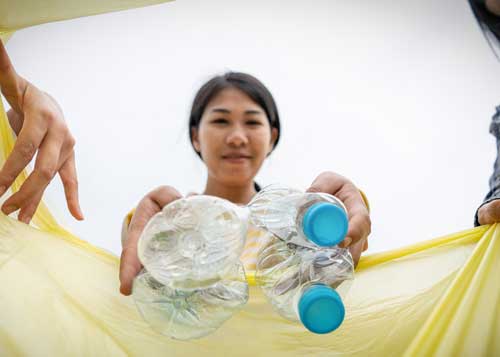
- Collection & Sorting: Plastic bottles and containers are collected, cleaned, and sorted
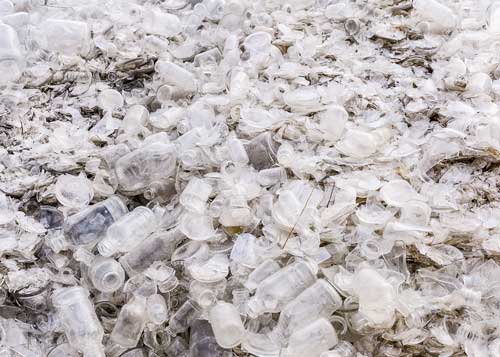
- Breaking Down: These materials are crushed into small flakes
- Purification: The flakes undergo thorough cleaning to remove impurities
- Melting & Extrusion: The clean flakes are melted and pushed through spinnerets to create new fibers
- Spinning: These fibers are spun into yarn
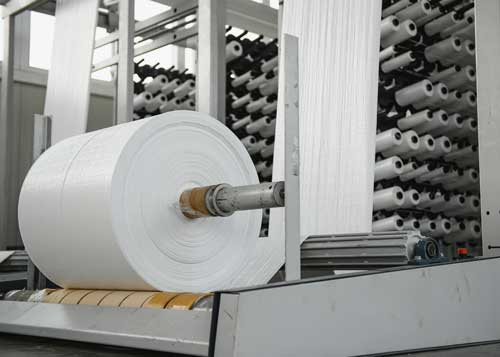
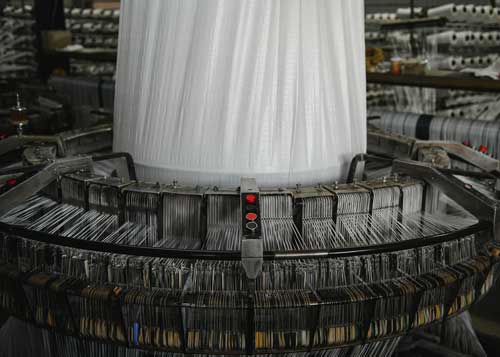
- Weaving/Knitting: The yarn becomes fabric, ready to become your favorite Hero Basics apparel

Why choose recycled polyester?
Environmental Impact
- Energy Conservation: Producing rPET requires 33-53% less energy than virgin polyester
- Carbon Footprint: Creates approximately 54.6% fewer CO2 emissions
- Waste Reduction: Diverts plastic from landfills and oceans
- Water Conservation: Requires significantly less water than traditional polyester production
Performance Benefits
- Durability: Maintains strength and resilience for long-lasting wear
- Moisture-Wicking: Keeps you comfortable during activity
- Quick-Drying: Perfect for active lifestyles
- Color Retention: Holds vibrant colors wash after wash
- Versatility: Works beautifully in everything from swimwear to everyday essentials
Small Choices, Big Impact
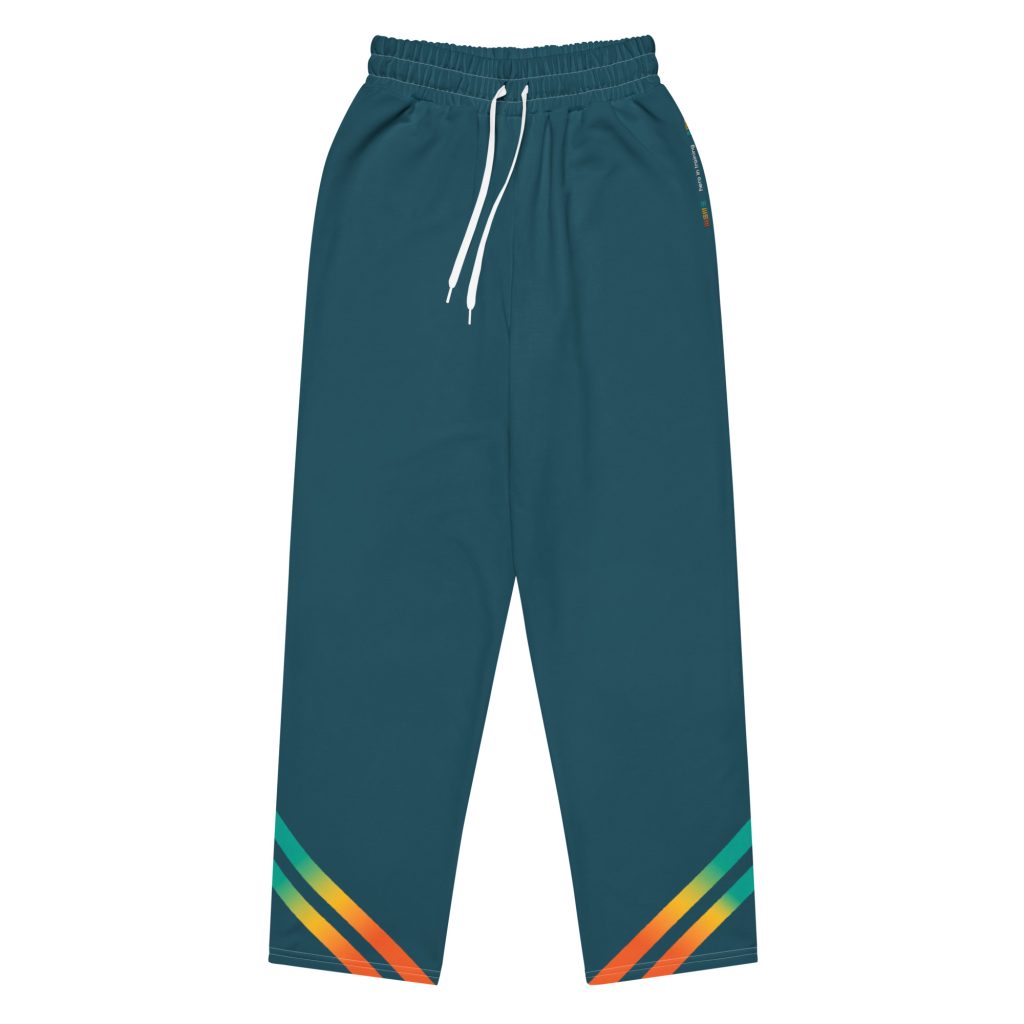
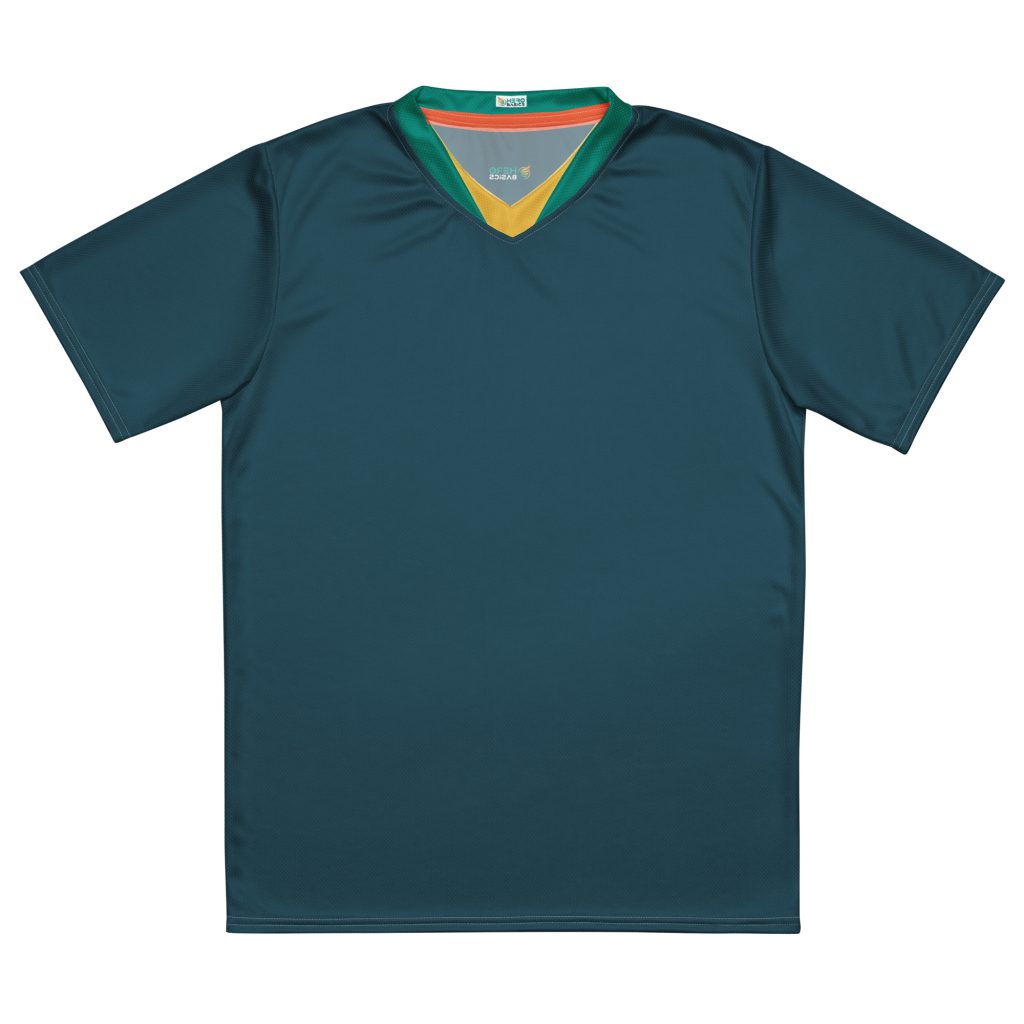
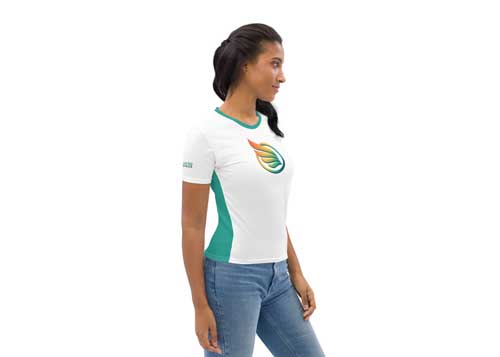
When you choose products like our Hero Basics Recycled Swim Trunks, or our Mens and Women’s Hero Tee, you’re making a conscious decision that aligns with our values of authenticity and responsibility. Each recycled polyester item represents approximately 15-20 plastic bottles diverted from landfills.
These small choices add up. By incorporating recycled materials into your wardrobe, you become part of a larger movement toward sustainability and thoughtful consumption.